


Product Center
Titanium dioxide byproduct ferrous sulfate is a byproduct generated during the production of titanium dioxide via the sulfuric acid method. For every ton of titanium dioxide produced, 3-4 tons of ferrous sulfate heptahydrate byproduct are generated. Since titanium dioxide byproduct ferrous sulfate heptahydrate contains Mn2+, Al3+, Mg2+, Ca2+, Ti4+, and trace heavy metal impurities, it cannot be directly utilized. However, due to its high ferrous sulfate heptahydrate content (85%-90%), it possesses significant resource utilization value.
Currently, the main resource utilization pathways for titanium dioxide byproduct ferrous sulfate heptahydrate include:
1
Production of feed-grade ferrous sulfate monohydrate
Iron is an essential trace element for animal and plant growth. It plays vital roles in photosynthesis, chlorophyll synthesis, hemoglobin production, cellular pigments, and oxidase synthesis. Thus, ferrous sulfate is a primary iron supplement in agriculture and animal husbandry, especially feed-grade ferrous sulfate monohydrate used as a mineral feed additive.
Process: Dissolve titanium dioxide byproduct ferrous sulfate in water or recycled mother liquor, remove harmful impurities like lead and arsenic, control crystallization conditions to produce feed-grade ferrous sulfate monohydrate, and reuse the separated mother liquor as a ferrous sulfate solution.
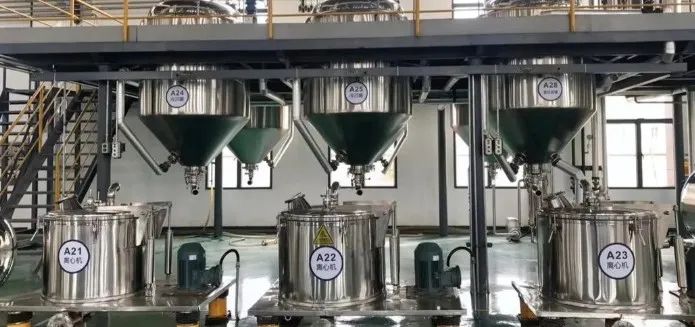
The above describes the wet process for feed-grade ferrous sulfate monohydrate production. Alternatively, a dry process can be used to produce qualified heptahydrate ferrous sulfate crystals through drying and dehydration.
Currently, China's feed-grade ferrous sulfate follows the Feed Additives - Ferrous SulfateGB 34465-2017 standard.
2
Production of water purification agents
The described water purification agent refers to polyferric sulfate. Polyferric sulfate is a high-performance water treatment coagulant. Compared to traditional aluminum coagulants, it offers advantages like lower cost, faster hydrolysis, better coagulation, and wider applicability in industrial wastewater, drinking water, and municipal sewage treatment.
The primary method for producing polyferric sulfate from titanium dioxide byproduct ferrous sulfate is the oxidation-polymerization process.
Process: Dissolve and purify titanium dioxide byproduct ferrous sulfate, oxidize under acidic conditions, adjust pH for polymerization to convert ferrous sulfate into liquid polyferric sulfate, which can be further processed into solid polyferric sulfate.

Additionally, purified ferrous sulfate heptahydrate (crystals) can be directly used as a water treatment agent for coagulation, phosphorus removal, pH adjustment, and heavy metal removal. This approach offers low cost, wide availability, multifunctionality, and some algae inhibition effects.
Currently, China's polyferric sulfate follows the Water Treatment Chemicals - Polyferric SulfateGB/T 14591-2016 standard, while water treatment ferrous sulfate follows the Water Treatment Chemicals - Ferrous SulfateGB/T 10531-2016 standard.
3
Production of iron oxide pigments
Iron oxide pigments are important inorganic iron-based colorants, including red, yellow, black, and brown varieties. They are non-toxic, alkali-resistant, weather-resistant, and cost-effective, widely used in paints, coatings, plastics, rubber, and construction materials. They are the second most used inorganic pigment after titanium dioxide and the most used inorganic colored pigment.
Titanium dioxide byproduct ferrous sulfate is an excellent raw material for iron oxide pigments, offering low cost, short reaction cycles, and high-quality products.
China primarily uses the mixed acid method to produce iron oxide pigments from titanium dioxide byproduct ferrous sulfate. However, the newly developed environmentally friendly alkali circulation process offers unparalleled advantages in cost, quality, environmental protection, and energy savings, representing a groundbreaking technology for China's iron oxide pigment production.
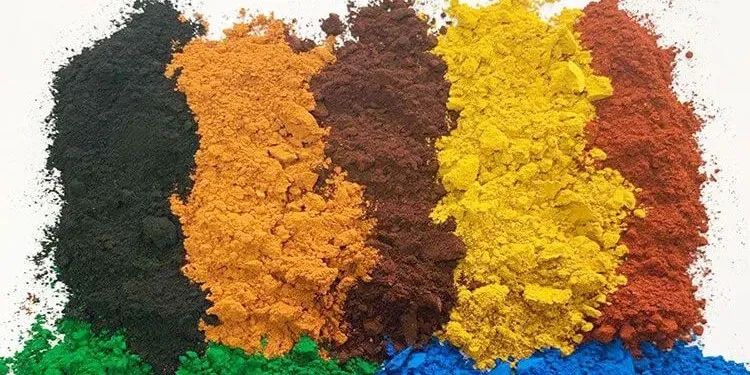
Process: Includes dissolution and purification of titanium dioxide byproduct ferrous sulfate, seed preparation, two-step oxidation (including crystal transformation and oxidative synthesis), separation, washing, drying, mixing, and neutralizer recovery (mother liquor utilization). Its standout feature is eliminating wastewater generation and discharge issues present in other processes.
Currently, China's iron oxide pigments follow the Iron Oxide PigmentsGB/T 1863-2008 standard.
4
Production of ferrite-grade iron oxide
Ferrite-grade iron oxide includes soft magnetic ferrite-grade and hard ferrite-grade varieties. They are primary raw materials in the ferrite industry, accounting for about 70% of soft magnetic ferrite materials and over 85% of hard ferrite materials. They are mainly used to produce magnetic materials like soft magnets, hard magnets, spinel ferrites, and other ferrite materials. Soft magnetic ferrites are widely used in communications, automotive electronics, and home appliances. Hard magnetic ferrites are primarily used in motors, speakers, microwave ovens, and sensors, with motor applications being the largest market. Spinel ferrites are mainly used in radar, communications, navigation, remote sensing, and control systems.
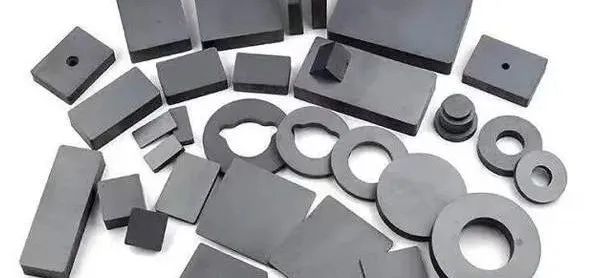
Ferrite-grade iron oxide production from titanium dioxide byproduct ferrous sulfate typically uses the co-precipitation method or sol-gel method.
The co-precipitation process involves: Reacting purified ferrous sulfate solution with carbonates or other reagents under controlled conditions to form precursors, which are then separated, dried, and calcined to produce nanometer-sized ferrite-grade iron oxide.
Currently, China's soft magnetic ferrite-grade iron oxide follows the Soft Magnetic Ferrite-Grade Iron OxideSJ/T 10383-2013 standard, while ferrite-grade iron oxide follows the Ferrite-Grade Iron OxideGB/T 24244-2009 standard.
5
Production of high-purity ferrous sulfate
High-purity ferrous sulfate includes battery-grade and food-grade varieties.
Battery-grade ferrous sulfate is a key raw material for lithium iron phosphate batteries, while food-grade ferrous sulfate is primarily used as a nutritional fortifier. Using titanium dioxide byproduct ferrous sulfate as raw material offers cost advantages and high product quality, representing an effective high-value utilization pathway.
Process for producing high-purity ferrous sulfate from titanium dioxide byproduct ferrous sulfate includes: Dissolution, purification, impurity removal via ion exchange or extraction, crystallization, separation, and drying. Although mature, this process has drawbacks like long flows, high equipment investment, production costs, and environmental burdens.
A new process developed by Nanyang Oriental Applied Chemistry Research Institute offers shorter flows, simpler operation, lower costs, and stable product quality. The process includes: Phase transfer impurity removal, crystallization, separation, and drying.
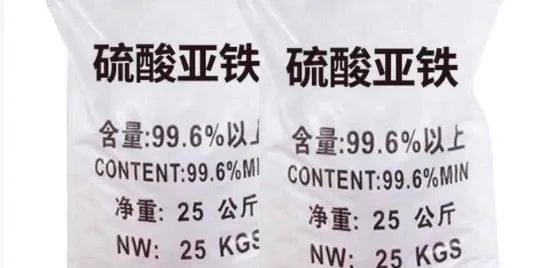
Currently, China has no national or industry standards for battery-grade ferrous sulfate, with products meeting battery industry technical requirements. Food-grade ferrous sulfate follows the National Food Safety Standard - Food Additives - Ferrous SulfateGB29211-2012 standard.
6
Production of battery-grade lithium iron phosphate
Battery-grade lithium iron phosphate is a key raw material for lithium iron phosphate cathode materials, offering large market capacity and high added value. Titanium dioxide byproduct ferrous sulfate is a cost-effective, high-quality iron source for its production, typically using liquid-phase precipitation.
Process: First dissolve and purify titanium dioxide byproduct ferrous sulfate to obtain qualified ferrous sulfate solution, then use this as iron source with phosphoric acid or phosphate as phosphorus source, control process conditions under oxidant presence to produce battery-grade lithium iron phosphate dihydrate through precipitation, conversion, filtration, and drying, which can be further calcined to obtain anhydrous lithium iron phosphate.
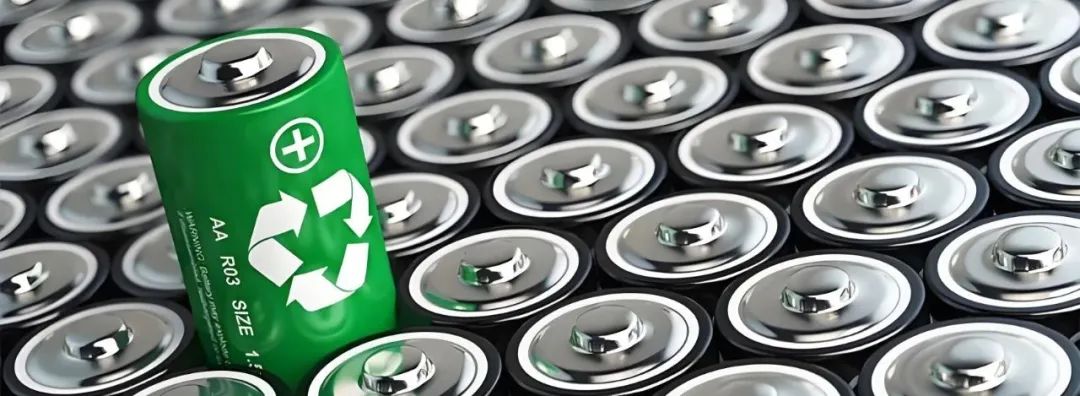
Currently, battery-grade lithium iron phosphate follows the Battery-Grade Lithium Iron PhosphateHG/T 4701-2021 standard.
7
Production of electronic material-grade high-purity ferrous sulfate
Based on its chemical and physical properties (reducibility, magnetism, and iron ion source), ferrous sulfate has wide applications in electronics, primarily for manufacturing electronic materials including ferrite materials and nanomaterial synthesis, printed circuit boards, battery technologies, electrochemical products and surface treatments, semiconductor process auxiliary materials, and electromagnetic shielding/absorbing materials. Electronic material-grade ferrous sulfate has higher purity requirements, especially for heavy metal content and environmental sensitivity.
Process for producing electronic material-grade high-purity ferrous sulfate from titanium dioxide byproduct ferrous sulfate includes: Phase transfer impurity removal, ion exchange/impurity extraction, crystallization and recrystallization, separation and drying, with strict water quality control and inert gas protection.
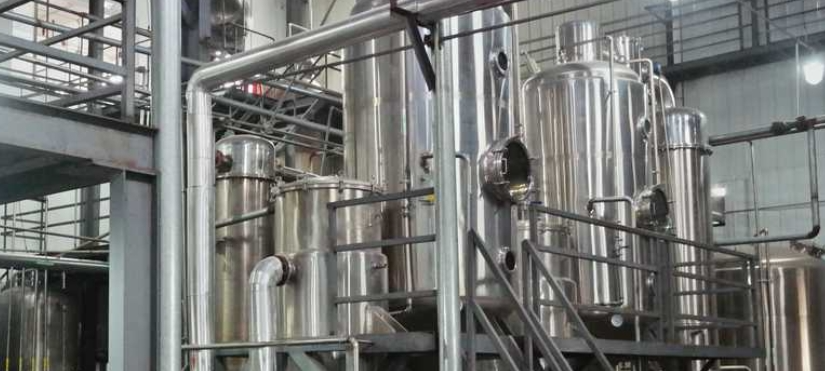
Currently, China has no national or industry standards for electronic material-grade ferrous sulfate, with products meeting electronics industry technical requirements.
In summary, titanium dioxide byproduct ferrous sulfate has multiple viable resource utilization pathways. Investment projects should be market-oriented with thorough feasibility studies on technical and economic viability to ensure market security, technological reliability, and economic safety. Scientific, rational, and mature technologies can create economic benefits while supporting sustainable development of the titanium dioxide industry, delivering economic, social, and ecological benefits.
Please leave us a message